
Country Profile: Climate Change and Tunisia’s Transport Infrastructure
Flooding, extreme heat and coastal erosion are creating different—and increasingly interconnected—risks across Tunisia’s transport network
Tunisia’s transport system is being affected by several climate pressures at once.
Flash floods are making roads impassable and disrupting urban mobility. Extreme heat is damaging asphalt and increasing pressure on railway infrastructure. Along the coast, erosion, storm surges and rising sea levels threaten ports and strategic transport corridors.
The country’s exposure is heightened by the concentration of population, economic activity and infrastructure along its northern and eastern coastlines. Roads, railway lines, ports and major urban centres may therefore face several hazards simultaneously.
Roads and drainage systems
Road transport carries the majority of passenger and freight movements in Tunisia. However, many rural and secondary roads were not built to withstand increasingly intense rainfall.
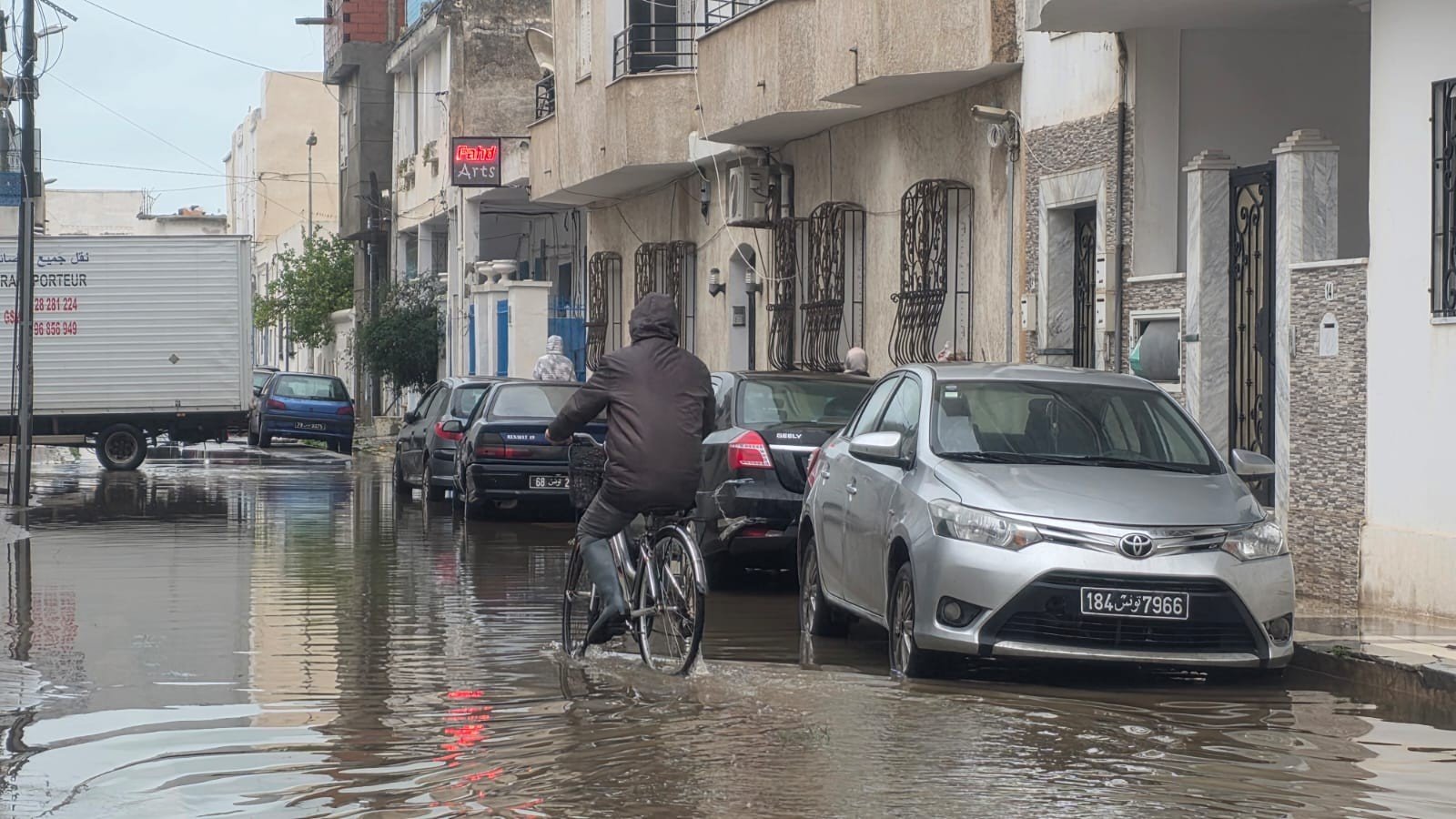
Flash floods can interrupt roads in governorates such as Nabeul, Sousse, Gabès and Tataouine. The greatest problems often occur where drainage systems are limited, poorly maintained or designed according to historical rainfall patterns that no longer reflect current conditions.
Extreme heat also accelerates the deterioration of asphalt. This increases maintenance costs and shortens the service life of road infrastructure.
The consequences can be particularly serious in rural areas. When the only road connecting a community to markets or essential services is damaged, there may be no practical alternative.
“Climate adaptation has to respond not only to the condition of an infrastructure asset,” says Achref Chibani, Tunisia’s Focal Point for MURUNAMed, “but to the people, services and economic activities that depend on it.”
Source: Lilia Blaise
Urban mobility in Greater Tunis
In Greater Tunis, intense rainfall can overwhelm ageing drainage systems. This can lead to flooding on major roads and disrupt metro and Tunis–Goulette–Marsa railway services.
Dense development and low-lying neighbourhoods make some areas particularly vulnerable. Disruption to public transport can prevent people from reaching workplaces, schools and healthcare facilities.
Lower-income households often experience the greatest effects. They are more likely to depend on public transport and may also be more likely to live in flood-exposed neighbourhoods.
Railway infrastructure
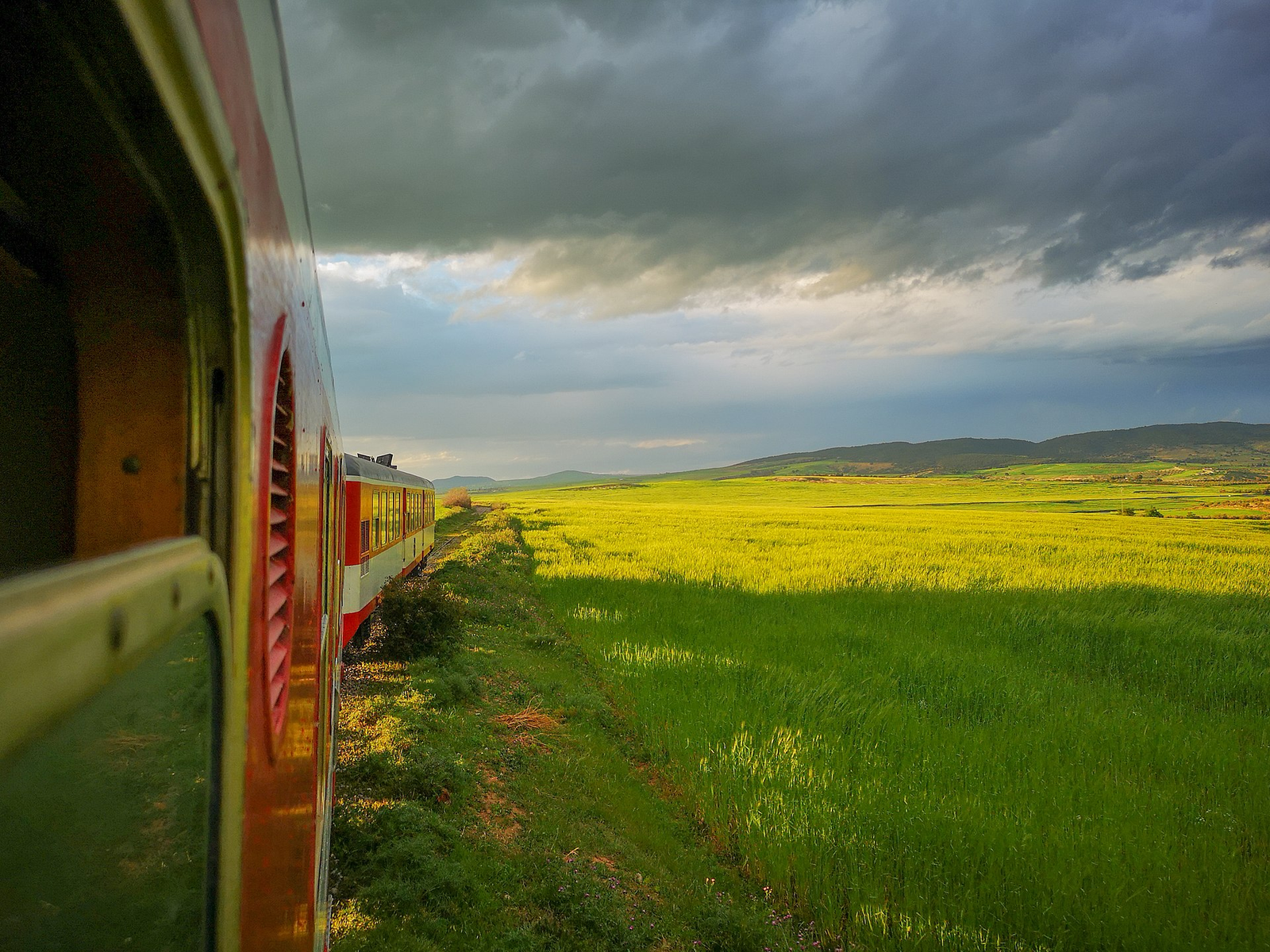
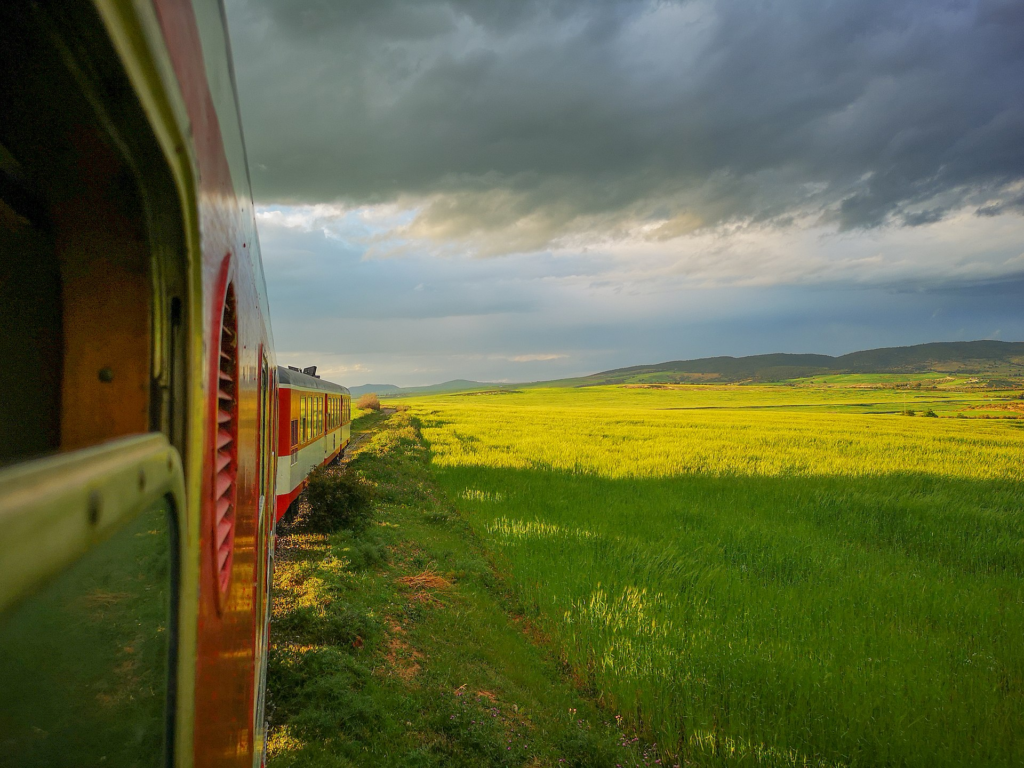
Tunisia’s railway network is vulnerable to both flooding and high temperatures.
Older lines and parts of the coastal network are at risk of water damage. During periods of extreme heat, railway tracks may buckle, while other components deteriorate more quickly.
These impacts can reduce reliability and increase maintenance requirements. They also underline the importance of considering the transport network as an interconnected system.
A stronger and more reliable railway network could provide an alternative for passengers and freight transport when road corridors are disrupted or unavailable.
Source: Wikicommons Media

Ports and coastal infrastructure
Ports face the most complex combination of climate risks.
The ports of Radès, Sfax, Sousse, Bizerte and Gabès are essential to Tunisia’s trade and supply chains. They are also exposed to coastal erosion, storm surges and rising sea levels.
Tunisia relies on a limited number of port gateways for essential imports, including cereals and energy. Even a temporary disruption at one port can create wider consequences for businesses, consumers and national supply chains.
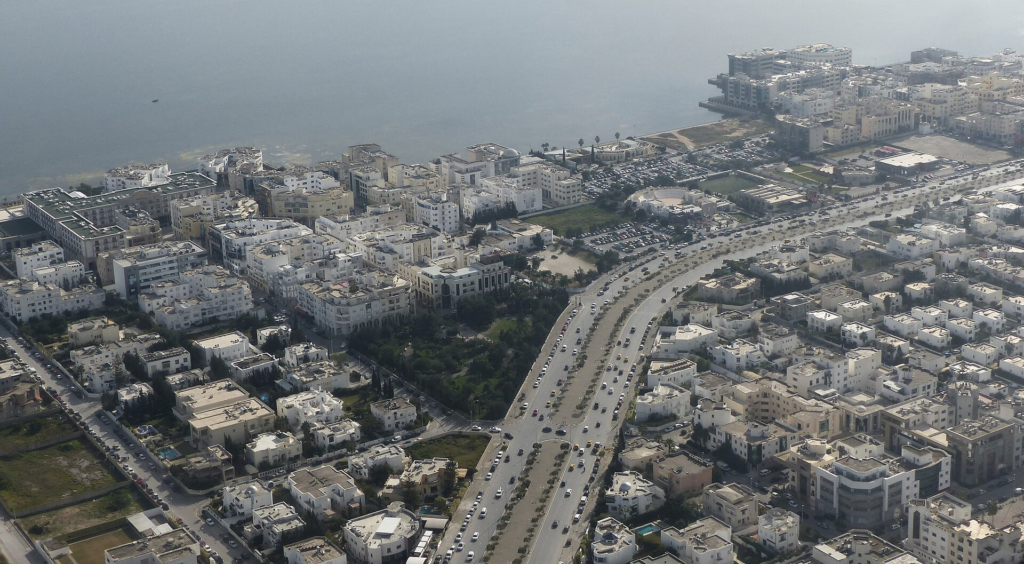
Coastal roads and railway lines are exposed to similar hazards. These risks are especially important because much of Tunisia’s urban, tourism and economic infrastructure is located near the coast.
Different risks. Different regions
Climate vulnerability is not evenly distributed across Tunisia.
Cap Bon, Nabeul and the Bizerte area face significant flood risks. Greater Tunis must manage the combined effects of dense development, ageing drainage and intense rainfall.
Northern and eastern coastal areas are exposed to flooding, erosion and sea-level rise. Inland and southern regions face more severe heat and drought, which can accelerate the deterioration of unpaved and lightly engineered roads.
A national approach must therefore be flexible enough to respond to different regional conditions.
Source: Wikimedia Commons

Effects beyond the transport sector
Damage to transport infrastructure creates social and economic consequences that extend well beyond the affected asset.
Flooding can prevent farmers from moving produce to market. Road closures can isolate rural communities. Urban transport disruptions can restrict access to employment, education and healthcare.
Port delays may affect food and energy supplies, while repeated emergency repairs place additional pressure on public budgets.
“When transport infrastructure fails, the effects are felt throughout communities and the economy,” Achref says. “Climate-resilient transport is not only an engineering objective. It is central to economic security, social inclusion and trust in public institutions.”
Early action and future priorities
Tunisia has already begun taking targeted action. Flood-risk-reduction investments in areas including Nabeul, Bizerte and Monastir demonstrate how measures can be focused on locations with identified vulnerabilities.
The country is also developing disaster-risk-management and financial-preparedness mechanisms. These efforts show that climate resilience can be incorporated in long-term institutional arrangements rather than addressed only through emergency responses.
However, significant gaps remain. More detailed assessments are needed to determine which roads, bridges, railway sections and port facilities face the greatest risks.
Asset-level risk information could help authorities prioritise investment, introduce predictive maintenance and take preventive operational measures. It could also improve the quality of proposals submitted for international climate finance.
Protecting Tunisia’s transport infrastructure will require a combination of better information, targeted physical investment and stronger institutional coordination. The decisions taken today will determine whether the network can continue connecting people, services and markets as climate pressures increase.